Introduction
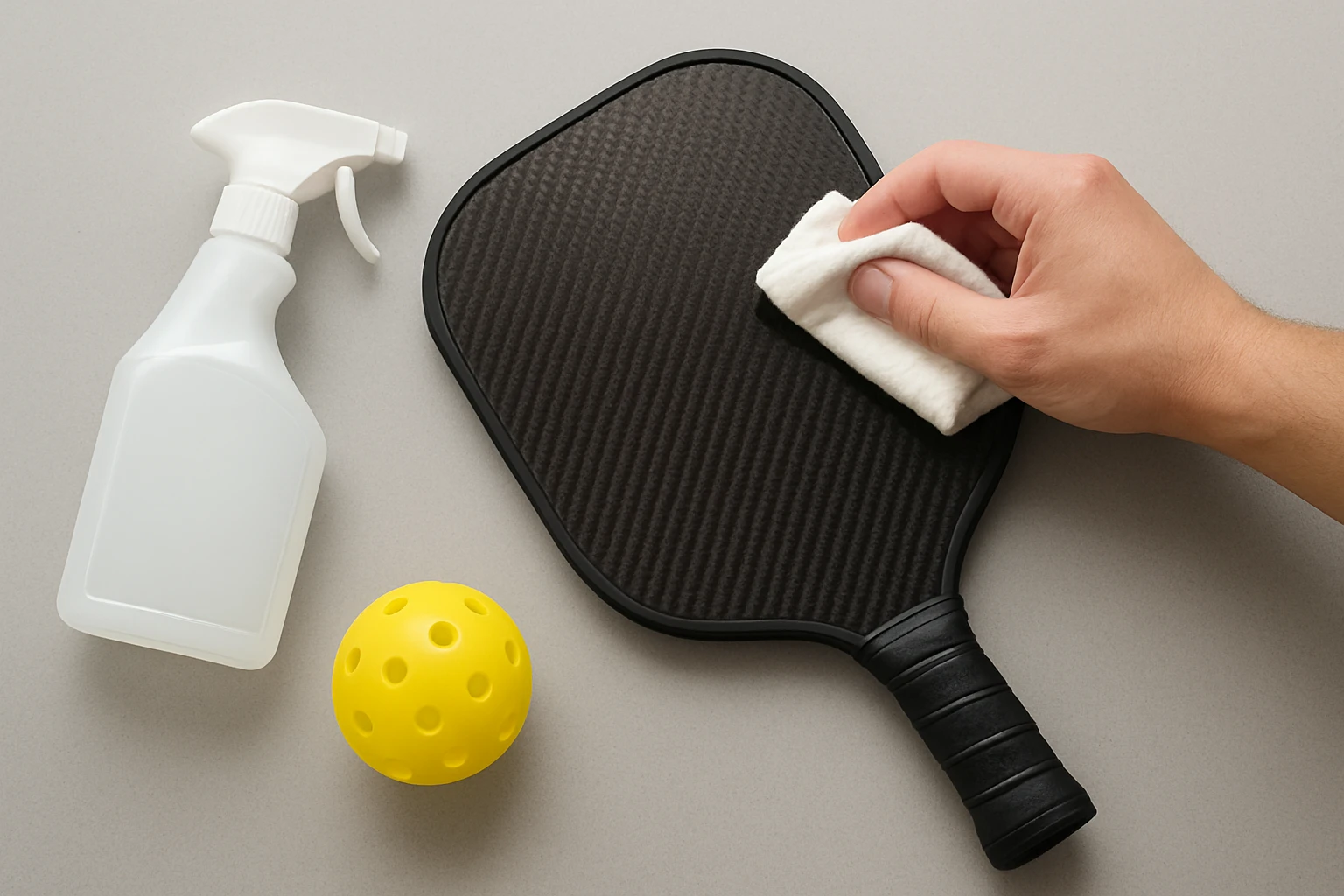
Maintaining a carbon fiber pickleball paddle extends its performance life and preserves the premium feel that serious players demand. This guide will teach the reader how to clean dirt, scuffs and other contaminants without compromising the paddle's delicate surface. The procedures described are safe for all USAPA‑approved carbon fiber paddles, including those with proprietary core technologies. By following each step, the reader will protect the paddle's grip, edge and overall structural integrity.
What You'll Need
- Soft microfiber cleaning cloth (lint‑free)
- Mild dish soap or specialized sports equipment cleaner
- Small soft‑bristle brush (e.g., a toothbrush)
- Clean, lukewarm water
- Drying towel or air‑dry area
- Optional protective spray for carbon fiber
All of these items are readily available at sporting goods stores or online retailers. The guide does not require any expensive equipment, yet it recommends a few high‑quality paddles for reference and testing.
Step 1: Prepare a Gentle Cleaning Solution
Begin by filling a bowl with lukewarm water and adding a few drops of mild dish soap. The solution should create a light suds without becoming overly foamy, because excess soap can seep into the paddle core. Stir gently to distribute the soap evenly. This mixture will loosen surface grime while protecting the carbon fiber weave.
For players who own the Franklin Pro Pickleball Paddle, the cleaning solution can be tested on a small, inconspicuous area to confirm that no discoloration occurs. The Franklin paddle is priced at $42.65, carries a 4.5‑star rating from 627 reviews, and features a MaxGrit surface that tolerates mild cleaning agents.
Step 2: Wipe the Paddle Surface
Dip the microfiber cloth into the soapy water, then wring it out until it is damp but not dripping. Gently glide the cloth across the paddle face, following the grain of the carbon fiber. Avoid applying excessive pressure, as this can cause micro‑scratches on the glossy finish. After covering the entire surface, flip the cloth and repeat with clean water to remove any soap residue.
Players who also own the Selkirk SLK Halo Pickleball Paddle will notice that the raw carbon fiber face benefits from a light touch; the paddle’s T700 CarbonFusion surface is engineered for spin and can be dulled by harsh abrasion. The Selkirk paddle costs $99.99, holds a 4.6‑star rating from 68 reviews, and includes a faux leather grip that should not be saturated.
Step 3: Clean the Edge Guard and Grip
Use the soft‑bristle brush to reach the edge guard, where dust often accumulates. Dip the brush lightly in the cleaning solution and scrub in a circular motion, focusing on any visible scuffs. For the grip area, a dry portion of the microfiber cloth is sufficient; it removes sweat and debris without soaking the leather. After cleaning, pat the grip with a dry towel to prevent lingering moisture.
The Vatic Pro Prism Pickleball Paddle showcases a foam‑injected edge that resists water penetration, yet the manufacturer advises prompt drying. This paddle is priced at $99.99, enjoys a 4.6‑star rating from 1,571 reviews, and its cold‑molded construction benefits from careful edge maintenance.
Step 4: Rinse and Dry Thoroughly
Rinse the paddle by wiping it with a cloth dampened in clean water only; this removes any remaining soap film that could attract dirt later. Immediately follow with a dry microfiber towel, pressing gently to absorb excess moisture. Allow the paddle to air‑dry in a shaded, well‑ventilated area for at least thirty minutes before storing. Direct sunlight can cause thermal expansion of the carbon fiber, potentially weakening the resin matrix.
After drying, examine the paddle under bright light to verify that all scuffs have vanished. If a faint mark persists, repeat Step 2 with a fresh cloth. Consistent inspection ensures that the paddle maintains its tournament‑grade appearance.
Step 5: Apply a Protective Finish (Optional)
For players seeking extra durability, a light‑weight carbon‑fiber‑safe protective spray can be applied. Spray a minimal amount onto a clean cloth, then lightly buff the paddle surface in a circular motion. The coating creates a thin barrier that repels moisture and reduces future scuffing without altering the paddle's weight distribution.
While none of the three featured paddles include a proprietary spray, the Franklin, Selkirk and Vatic models are all compatible with standard sports‑equipment protectants. Users should verify that the product is labeled safe for carbon fiber and does not contain silicone, which can interfere with grip adhesion.
Tips & Pro Tips
- Never use abrasive cleaners, steel wool, or solvents such as acetone; they can erode the carbon fiber weave.
- Store paddles in a padded case when not in use; this prevents accidental scratches during transport.
- Rotate the paddle periodically during play to distribute wear evenly across the face and edge.
- Inspect the grip weekly; replace it when it shows signs of cracking or excessive wear.
- For intense tournament schedules, schedule a full cleaning after every five to seven matches to maintain optimal performance.
Troubleshooting
Problem: Persistent dark stains remain after cleaning.
Solution: Mix a solution of equal parts white vinegar and water, apply with a cloth, then rinse thoroughly. Vinegar safely breaks down mineral deposits without harming carbon fiber.
Problem: Grip becomes slippery even after drying.
Solution: Lightly sand the grip surface with fine‑grit sandpaper (400 µm) to restore texture, then apply a fresh grip tape if necessary.
Conclusion
By following the outlined steps, the reader can confidently remove dirt, scuffs and moisture from any carbon fiber pickleball paddle. Regular maintenance preserves the paddle's spin, control and power characteristics, ensuring consistent tournament‑level performance. The guide emphasizes safe products, proper technique and the importance of protective storage. One should now feel equipped to extend the lifespan of valuable equipment while enjoying the game.
Products Mentioned in This Guide
Frequently Asked Questions
How often should I clean my carbon fiber pickleball paddle?
Clean it after each play session or whenever dirt or scuffs become visible.
What cleaning solution is safe for carbon fiber paddles?
Use lukewarm water with a few drops of mild dish soap or a specialized sports equipment cleaner.
Can I use a regular towel or abrasive brush on the paddle?
No; use a lint‑free microfiber cloth and a soft‑bristle brush such as a toothbrush.
How should I dry the paddle after cleaning?
Pat it gently with a dry towel and let it air‑dry in a well‑ventilated area away from direct heat.
Is a protective spray needed after cleaning?
Applying a carbon‑fiber protective spray is optional but helps repel dirt and preserve the finish.