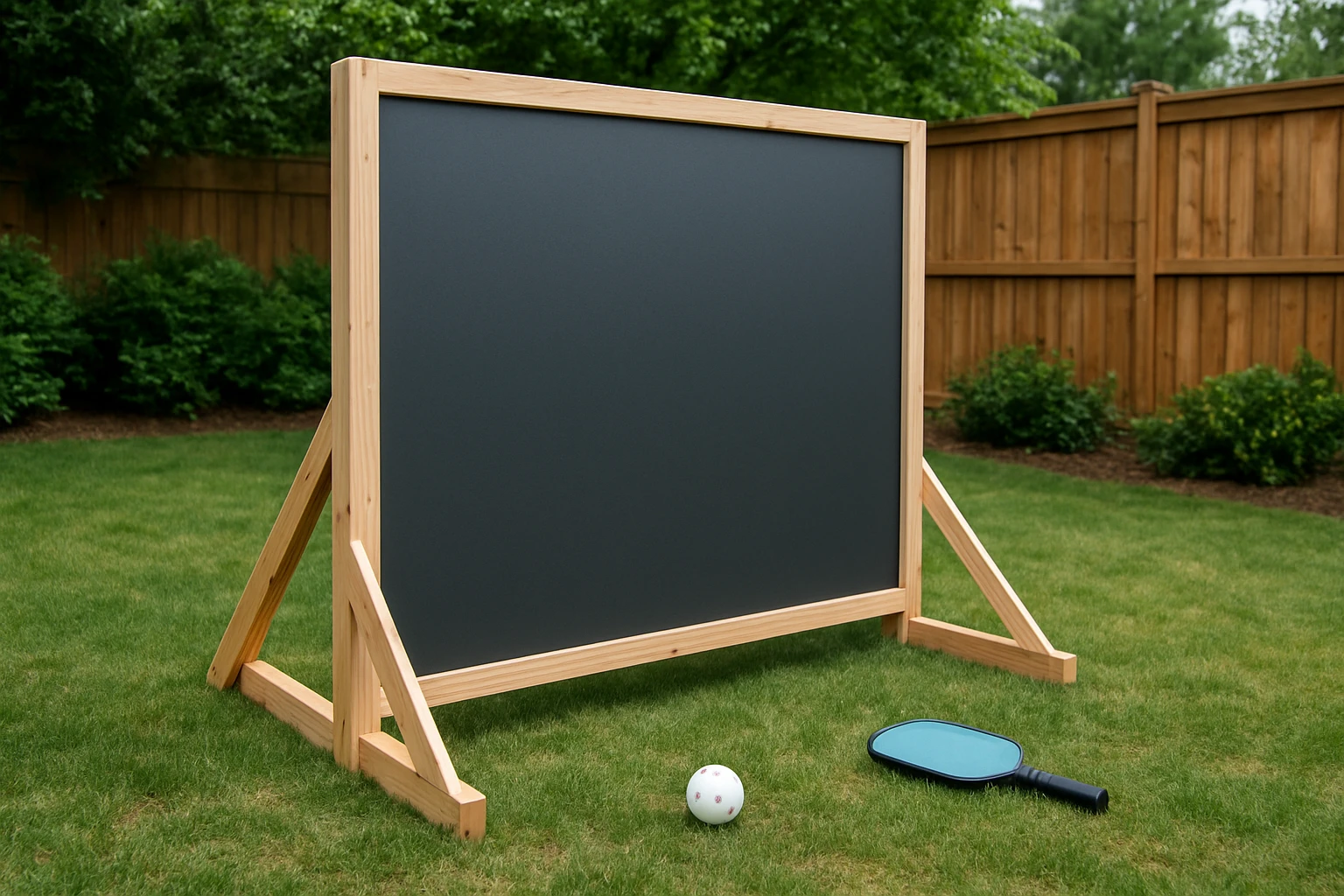
How to Build a Backyard Pickleball Rebound Wall: Step‑by‑Step DIY Guide with Materials, Costs & Pro Tips
Introduction
Backyard pickleball has become a popular way for families and friends to stay active without traveling to a public court. One of the most effective ways to improve reflexes, footwork, and shot accuracy is to practice against a rebound wall. This guide will teach the reader how to construct a durable, weather‑resistant rebound wall that mimics professional training facilities, while also explaining why each material choice matters. By following the step‑by‑step instructions, the reader will be able to create a functional practice area for under $300 and enjoy years of reliable use.
The guide is written for an intermediate audience who possesses basic carpentry skills and access to standard hand tools. It balances technical depth with clear, actionable language, ensuring that even a first‑time DIYer can follow each phase without confusion. Throughout the article, specific products are recommended only when they provide a distinct advantage over generic alternatives. The result is a comprehensive plan that empowers the reader to build a high‑performance pickleball rebound wall in a weekend.
What You’ll Need
- 2 × 4 lumber (treated, 8 ft length) – for the frame
- 4 × 4 posts (treated, 8 ft) – for the vertical supports
- Concrete mix – to anchor the posts
- Galvanized deck screws (3 in) – for secure connections
- Heavy‑duty tarp or polyethylene sheeting – to protect the back of the wall
- SKLZ Multi‑Sport Rebounder Net – to provide realistic ball return
- Measuring tape, level, carpenter’s square, and safety glasses
- Rubber mallet and post‑hole digger
The total material cost typically ranges from $200 to $300, depending on local lumber prices. The SKLZ Multi‑Sport Rebounder Net adds $103.99 and offers three ball‑return angles, making it an ideal tool for practicing grounders, line drives, and fly balls in a single installation.
Step 1: Choose the Location and Mark the Layout
Begin by selecting a flat area of the backyard that receives at least six hours of sunlight per day; this reduces moisture buildup in the wooden frame. Measure a rectangle 12 ft wide by 8 ft high, allowing enough space for a full‑court width and sufficient clearance behind the wall for ball rebound. Use a garden hose or spray paint to outline the perimeter on the ground, ensuring the lines are straight and square by checking with a carpenter’s square.
Mark the positions of the four vertical 4 × 4 posts at each corner of the rectangle. The posts should be spaced 12 ft apart horizontally and 8 ft apart vertically, forming a sturdy rectangle that will support the net. Verify the level of each corner with a long spirit level; uneven posts will cause the net to sag and affect ball trajectory.
Step 2: Dig and Set the Concrete Foundations
Using a post‑hole digger, excavate four holes 12 in deep and 10 in in diameter at the marked corner locations. The depth provides sufficient anchorage to resist wind loads and the impact of repeated ball strikes. Mix the concrete according to the manufacturer’s instructions and pour it into each hole, inserting a 4 × 4 post while the concrete is still wet.
Align each post so that it is plumb, using a level to check vertical alignment. Brace the posts with temporary wooden stakes until the concrete cures, typically 24 to 48 hours. Properly set foundations guarantee long‑term stability and prevent the wall from shifting during vigorous practice sessions.
Step 3: Build the Frame and Attach the Rebound Net
After the concrete has cured, cut the 2 × 4 lumber into the following lengths: four pieces 12 ft long for the top and bottom horizontal members, and four pieces 8 ft long for the vertical side studs. Assemble a rectangular frame by screwing the top and bottom members to the vertical studs using galvanized deck screws. Pre‑drill pilot holes to avoid splitting the wood, and reinforce each corner with metal brackets for added rigidity.
Next, position the SKLZ Multi‑Sport Rebounder Net against the interior side of the frame. The net’s lightweight steel frame and weather‑resistant PE mesh make it easy to attach with the provided bungee cords, eliminating the need for permanent fasteners. The three ball‑return settings allow the user to switch between ground‑ball, line‑drive, and fly‑ball simulations, providing a comprehensive training experience without purchasing multiple specialized nets.
The net’s dimensions (4 ft × 4.5 ft) fit comfortably within the 12 ft × 8 ft frame, leaving space for a protective tarp behind the net to shield the wooden structure from moisture. Secure the tarp with staples or zip ties, ensuring it does not interfere with ball rebound. This configuration creates a versatile practice wall that can be adjusted for different skill levels.
Step 4: Install the Backing and Protective Cover
Attach a ½‑in plywood sheet to the exterior side of the frame using deck screws; this adds rigidity and distributes impact forces evenly across the frame. The plywood also serves as a mounting surface for optional lighting or a scoreboard. If the backyard is prone to rain, cover the plywood with a heavy‑duty polyethylene sheet, fastening it with corrosion‑resistant staples.
For added durability, apply a coat of exterior‑grade polyurethane to all exposed wood surfaces. This protects the lumber from UV degradation and moisture infiltration, extending the wall’s lifespan beyond ten years with proper maintenance. Allow the finish to dry completely before proceeding to the final step.
Step 5: Final Adjustments, Safety Checks, and Cost Summary
Inspect every connection, ensuring that all screws are tightened and that the net is taut without excessive slack. Test the rebound wall by striking a pickleball against the net from various angles; observe the ball’s return path and adjust the net’s angle settings as needed. Verify that the wall is stable by applying lateral pressure; if any movement is detected, reinforce the frame with additional diagonal braces.
Calculate the total cost: lumber and hardware (~$150), concrete mix (~$30), plywood and tarp (~$40), and the SKLZ Multi‑Sport Rebounder Net ($103.99). The overall investment remains under $350, providing a professional‑grade training surface at a fraction of the price of commercial facilities.
Tips & Pro Tips
- Use pressure‑treated lumber for any portion of the frame that will be in direct contact with the ground to prevent rot.
- Install a rubber mat on the floor in front of the wall to reduce wear on shoes and to dampen noise.
- When adjusting the net’s return angles, start with the lowest setting for beginners and progress to higher angles as skill improves.
- Consider adding a simple scoreboard or timer using a waterproof digital display to track drills and improve competitiveness.
- Periodically check the bungee cords on the SKLZ net for wear; replace them if fraying occurs to maintain consistent ball return.
Troubleshooting
Problem: The net does not return balls consistently.
Solution: Ensure the net is securely fastened to the frame and that the bungee cords are evenly tensioned. Adjust the angle settings according to the manufacturer’s guidelines, and verify that the backing plywood is firmly attached to prevent flex.
Problem: The frame wobbles after repeated use.
Solution: Add diagonal braces between the top and bottom horizontal members, and re‑tighten any loose screws. If the wobble persists, check the concrete footings for cracks and refill as necessary.
Conclusion
By following this guide, the reader can construct a reliable backyard pickleball rebound wall that supports varied training drills, improves reaction time, and enhances overall game performance. The integration of the SKLZ Multi‑Sport Rebounder Net provides a versatile ball‑return system that adapts to multiple skill levels, making the wall a valuable asset for solo practice or group sessions. With careful material selection, proper anchoring, and regular maintenance, the wall will serve as a long‑lasting training hub for years to come.
Products Mentioned in This Guide
Frequently Asked Questions
What are the essential materials needed to build a backyard pickleball rebound wall?
You need pressure‑treated lumber for the frame, a ½‑inch plywood backboard, outdoor‑grade acrylic or tempered glass, concrete footings, and weather‑proof screws and sealant.
How much does a DIY rebound wall typically cost?
A sturdy wall can be built for under $300, depending on material choices and local pricing for lumber and fasteners.
What dimensions should the rebound wall be for optimal pickleball practice?
A standard wall is 12‑ft wide, 10‑ft high, and positioned at least 15‑ft from the playing surface to allow full swing arcs.
How can I make the wall weather‑resistant and durable?
Use pressure‑treated or rot‑resistant lumber, apply exterior sealant to all joints, and install a UV‑protected acrylic or tempered glass surface.
What safety precautions should I follow during construction?
Wear eye protection, secure the frame to concrete footings, ensure the surface is firmly fastened, and keep the area clear of loose tools or debris.