Introduction
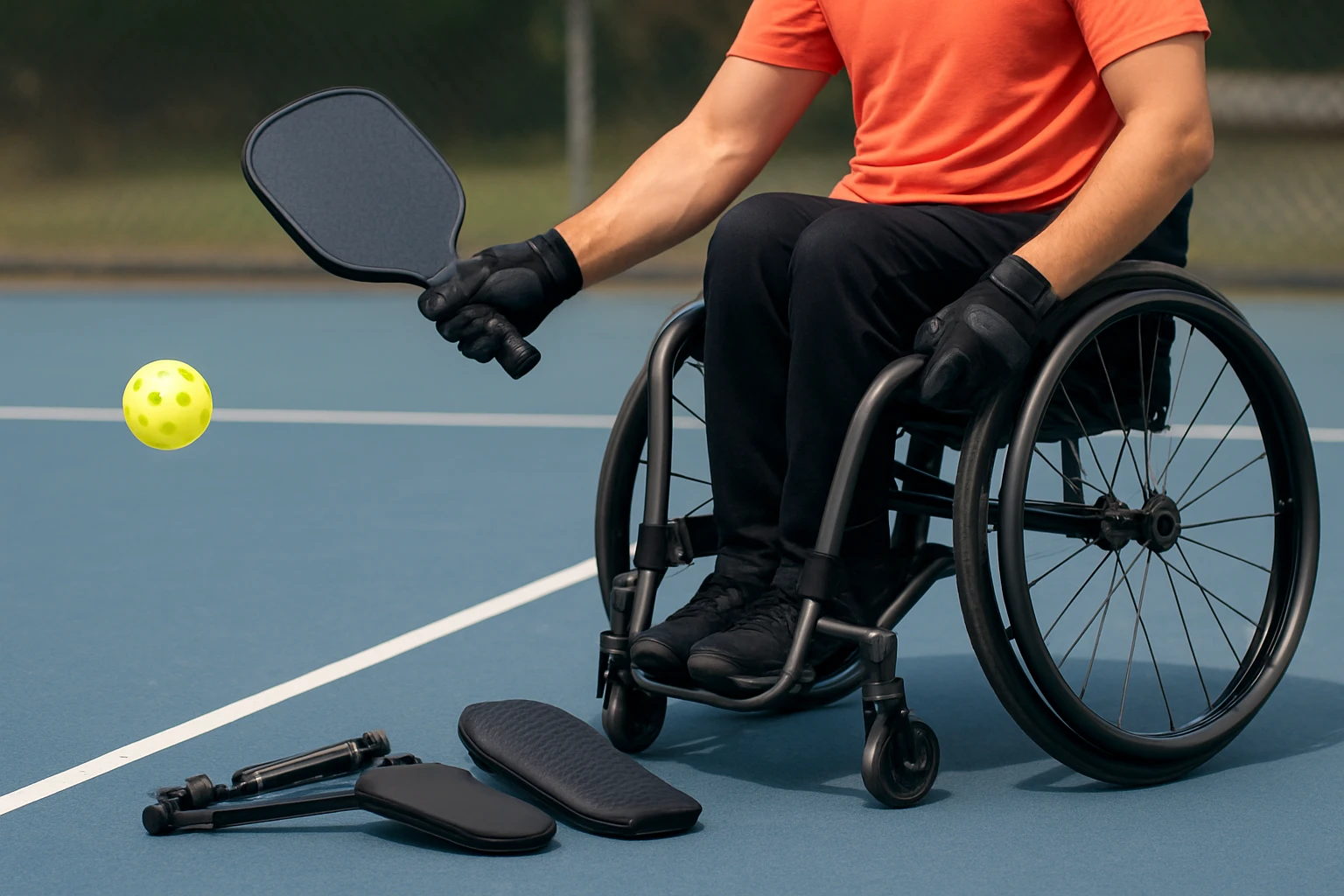
Adaptive pickleball has emerged as a vibrant sport that welcomes wheelchair players of all skill levels. This guide explains the essential equipment, wheelchair modifications, and best practices that enable competitive and recreational play. Readers will learn how to evaluate paddles, maintain optimal performance, and select accessories that enhance comfort and control. By the end of this article, one will possess a clear roadmap for building a high‑quality adaptive pickleball setup.
Background and Context
Pickleball combines elements of tennis, badminton, and table tennis, and its compact court dimensions make it well suited for wheelchair adaptation. The United States Pickleball Association (USAPA) establishes equipment standards that ensure safety and fairness in tournament play. Wheelchair athletes require equipment that balances weight, grip, and durability while accommodating seated posture and mobility constraints. Understanding these fundamentals is critical before selecting specific paddles or accessories.
Technology advances in carbon fiber, polymer cores, and ergonomic grips have produced paddles that deliver power without excessive weight. Simultaneously, wheelchair manufacturers offer modular accessories such as anti‑tip wheels, seat‑back supports, and custom‑fit hand‑rims that improve stability during rapid lateral movements. Integrating these innovations creates a seamless playing experience for wheelchair participants.
Adaptive Paddle Selection
Choosing the right paddle is paramount because it directly influences power, spin, and maneuverability from a seated position. The TENVINA Carbon Fiber Pickleball Paddle stands out with its multi‑layer T700SC carbon fiber face and THC polymer honeycomb core, offering a large sweet spot and reduced vibration. At a price of $71.99, it holds a 4.8‑star rating from 1,457 reviews, indicating broad user satisfaction.
For players who prioritize spin, the JOOLA Ben Johns Hyperion Paddle features a carbon abrasion surface (CAS) that creates high friction for enhanced ball rotation. Its 16 mm response polypropylene honeycomb core adds durability while maintaining a lightweight feel. Priced at $119.55 with a 4.4‑star rating from 1,268 reviewers, this paddle appeals to competitive athletes seeking precision.
Beginners or budget‑conscious players may prefer the BAGAIL Fiberglass Pickleball Set, which includes two paddles, four balls, and a carry bag. The fiberglass surface provides a forgiving feel, and the set’s USAPA approval ensures tournament eligibility. At $23.99 and a 4.7‑star rating from 920 reviews, it delivers exceptional value for newcomers.
When evaluating any paddle, wheelchair players should consider grip circumference, weight distribution, and handle length. A grip circumference of approximately 4.25 inches accommodates most hand sizes while allowing a relaxed wrist rotation, which is essential for quick directional changes in a wheelchair.
Wheelchair Modifications for Pickleball
Wheelchair stability is a decisive factor in executing powerful strokes and rapid lateral movements. Anti‑tip wheels, often made from rubber or polyurethane, increase friction on the court surface and prevent unintended tipping during aggressive swings. Installing a rear‑wheel camber of 3–5 degrees improves cornering agility, allowing the athlete to maintain a low centre of gravity while reaching for low balls.
Seat‑back supports made from lightweight aluminum or carbon composites provide additional lumbar support and reduce forward lean, which can otherwise diminish paddle control. Custom‑fit hand‑rims with textured surfaces enhance grip, reducing the risk of slippage when executing high‑velocity swings. These modifications are typically installed by certified wheelchair technicians to ensure safety compliance.
For indoor courts with smooth flooring, a set of wheel guards made from low‑friction polymer can protect wheels from dust and debris, preserving smooth roll and preventing sudden stops. Additionally, a detachable tray mounted on the wheelchair frame offers convenient storage for spare balls, paddle cleaners, and personal items, keeping the athlete’s hands free for play.
All modifications should be tested during a warm‑up session to confirm that they do not interfere with the wheelchair’s maneuverability or the player’s comfort. Adjustments to seat height and backrest angle may be required to achieve optimal reach and stroke mechanics.
Essential Gear and Maintenance
Maintaining paddle performance is as important as selecting the right equipment. Residue buildup on the paddle face reduces friction, diminishing spin potential and altering ball trajectory. The Professor Pickleball Paddle Cleaner is a soft rubber eraser designed specifically for raw carbon fiber surfaces. Priced at $9.95 with a 4.6‑star rating from 916 reviews, it can be used for up to 1,000 cleanings, restoring the paddle’s textured feel.
In addition to cleaning, athletes should inspect their paddles for minor scratches or edge wear after each session. Using a protective sleeve, such as a neoprene cover, prevents accidental impacts and prolongs the paddle’s lifespan. For wheelchair users, a moisture‑wicking towel placed on the lap can absorb sweat and protect both the paddle grip and the wheelchair upholstery.
Footwear remains a critical component even for wheelchair athletes, as proper shoes provide stability when pushing the chair and executing footwork during transitions. Shoes with non‑marking soles and lateral support are recommended for indoor and outdoor courts alike.
Finally, hydration and protective eyewear should not be overlooked. A lightweight, wrap‑around sports visor shields the eyes from glare while allowing clear vision of the ball’s trajectory.
Comparison and Selection Guide
| Feature | TENVINA Carbon Fiber Paddle | JOOLA Ben Johns Hyperion Paddle | BAGAIL Fiberglass Set |
|---|---|---|---|
| Core Material | THC polymer honeycomb | Response polypropylene honeycomb | Fiberglass & polypropylene honeycomb |
| Surface Texture | Matte‑textured carbon fiber (high friction) | Carbon abrasion surface (CAS) | Fiberglass surface (moderate friction) |
| Weight | Approximately 7.5 oz | Approximately 7.8 oz | 7.78‑7.8 oz per paddle |
| Grip Size | Optimized ergonomic grip | Sure‑Grip perforated handle | 4.25 inches circumference |
| USAPA Approval | Yes | Yes | Yes |
| Price | $71.99 | $119.55 | $23.99 (set) |
| Rating | 4.8/5 (1,457 reviews) | 4.4/5 (1,268 reviews) | 4.7/5 (920 reviews) |
Wheelchair players seeking a balance of power and spin may favor the TENVINA paddle due to its lightweight core and textured carbon surface. Those who prioritize tournament‑grade spin and brand endorsement may select the JOOLA Hyperion, despite its higher cost. Beginners or players on a limited budget will find the BAGAIL set offers a complete package with USAPA compliance.
Best Practices and Tips
- Test paddle weight and balance while seated; a paddle that feels too heavy can cause premature fatigue.
- Regularly clean the paddle face with a dedicated cleaner to maintain spin and control.
- Adjust wheelchair camber and seat height to ensure optimal reach for both forehand and backhand strokes.
- Use a grip tape or sweat‑absorbing sleeve if the hand becomes slippery during extended play.
- Schedule routine inspections of wheel alignment and anti‑tip devices to prevent accidents.
Frequently Asked Questions
What paddle weight is ideal for wheelchair players?
A paddle weighing between 7 and 8 ounces provides sufficient power while minimizing arm fatigue for seated players.
Do I need a USAPA‑approved paddle?
Yes, USAPA approval ensures the paddle meets tournament standards and guarantees consistent performance across certified courts.
Can I use a regular paddle cleaner on carbon fiber surfaces?
It is recommended to use a cleaner specifically designed for raw carbon fiber, such as the Professor Pickleball Paddle Cleaner, to avoid damaging the textured surface.
How often should I replace my wheelchair wheels for pickleball?
Inspect wheels monthly; replace them when tread wear exceeds 50 percent or when cracks appear, as reduced traction can affect lateral movement.
Is a wider paddle better for wheelchair play?
A slightly wider paddle, such as the 7.5‑inch surface on the BAGAIL set, increases the sweet spot and can compensate for limited reach, but it may add marginal weight.
Conclusion
Adaptive pickleball equipment combines advanced paddle technology, wheelchair modifications, and diligent maintenance to empower wheelchair athletes. By selecting a paddle that matches one’s strength, spin preferences, and budget, and by implementing stability enhancements on the wheelchair, players can achieve competitive performance and enjoy the sport safely. Continuous care of paddles and accessories ensures long‑term reliability and optimal gameplay.
Products Featured in This Guide
TENVINA Carbon Fiber Pickleball Paddle
Price: $71.99 | Rating: 4.8/5 (1,457 reviews)
Featured for its lightweight THC polymer honeycomb core, matte‑textured carbon fiber surface, and ergonomic grip, which together provide power, spin, and comfort for wheelchair players.
Professor Pickleball Paddle Cleaner
Price: $9.95 | Rating: 4.6/5 (916 reviews)
Featured because it restores the high‑friction surface of carbon fiber paddles, enabling consistent spin and extending paddle lifespan for adaptive athletes.
JOOLA Ben Johns Hyperion Paddle
Price: $119.55 | Rating: 4.4/5 (1,268 reviews)
Featured for its carbon abrasion surface that maximizes spin, hybrid‑ply construction for control, and USAPA approval, making it suitable for high‑level wheelchair competition.
BAGAIL Fiberglass Pickleball Set
Price: $23.99 | Rating: 4.7/5 (920 reviews)
Featured as an affordable, USAPA‑approved starter set that includes two paddles, balls, and a carry bag, providing a complete solution for newcomers to adaptive pickleball.
Frequently Asked Questions
What wheelchair modifications are recommended for optimal pickleball performance?
Add a lightweight frame, removable footplates, and a reinforced rear wheel to improve maneuverability and stability on the court.
How do I choose the right paddle for wheelchair adaptive pickleball?
Select a paddle with a balanced weight (7‑8 oz), a polymer or carbon‑fiber core for power, and an ergonomic grip that fits your hand size.
Are there specific USAPA equipment standards for wheelchair players?
Yes, paddles must meet size, surface texture, and weight limits set by USAPA, and wheelchairs must comply with safety and mobility specifications for competition.
What accessories can enhance comfort and control for wheelchair players?
Consider a padded seat cushion, wrist straps, and a ball‑retrieval aid to reduce strain and keep the game flowing.
How should I maintain my adaptive pickleball equipment?
Regularly clean the paddle surface, tighten wheelchair bolts, and inspect grips and wheels for wear to ensure consistent performance.