Introduction
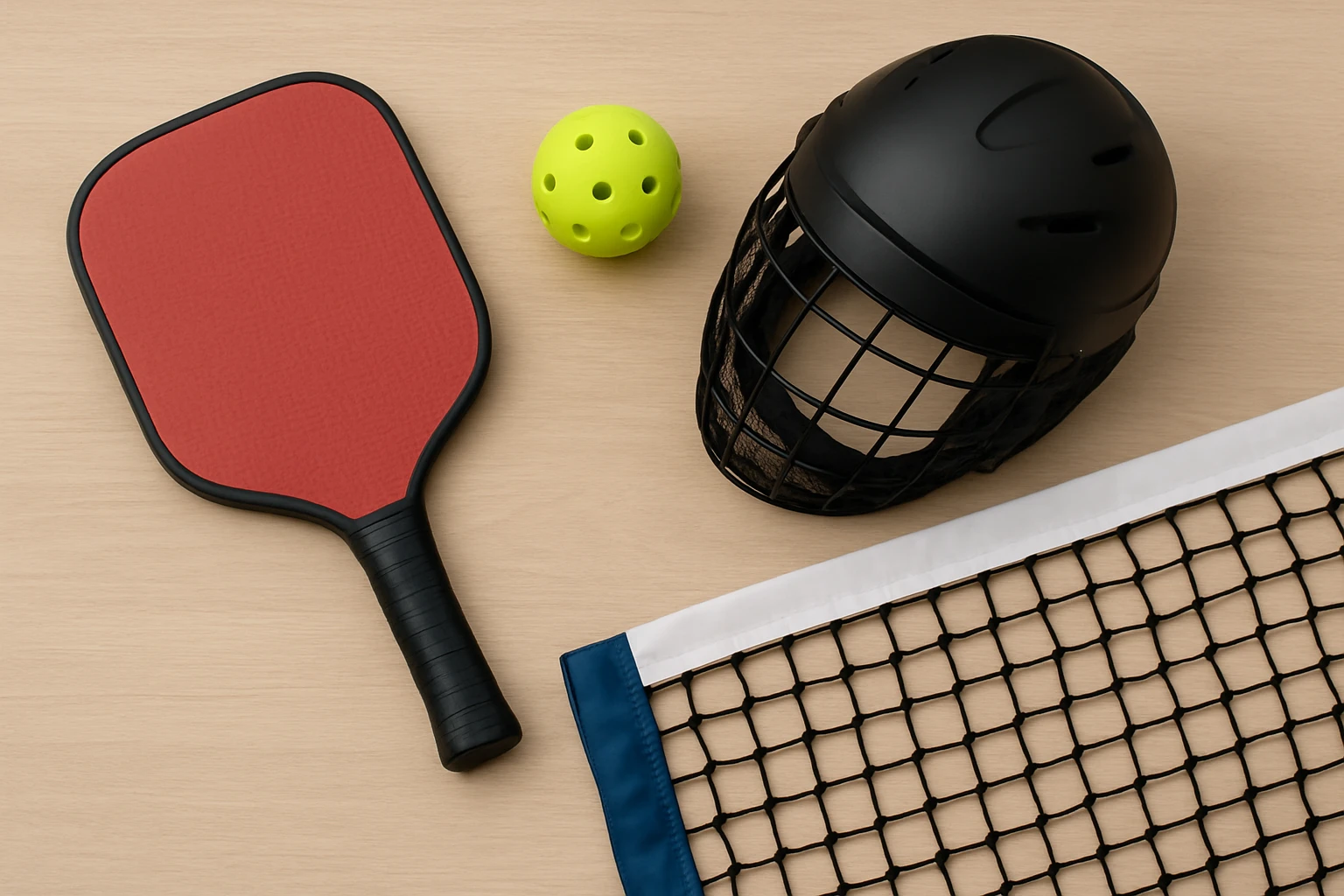
Parents who introduce their children to pickleball often wonder which equipment balances fun, safety, and performance. This guide clarifies the essential gear for ages six to twelve, offering clear sizing advice and safety considerations. Readers will learn how to evaluate paddles, balls, training nets, and accessories before making a purchase. By the end, every parent will possess a practical checklist to equip their young athlete confidently.
Background & Context
Pickleball has surged in popularity among youth because its smaller court and slower ball make it accessible to beginners. However, the rapid growth has also produced a wide array of products, some of which may be unsuitable for smaller players. Understanding the sport’s basic rules, court dimensions, and typical stroke mechanics helps parents match equipment to developmental stages. This foundational knowledge ensures that gear selections enhance skill development rather than hinder it.
Choosing the Right Paddle for Kids
When selecting a paddle, weight, grip size, and surface material are the three most influential factors for young players. A lightweight paddle reduces arm fatigue, while an appropriately sized grip promotes proper wrist alignment and prevents elbow strain. The Niupipo Pickleball Paddle Set offers a 7.62‑8 oz fiberglass face with a polypropylene honeycomb core, delivering power without excessive weight. Its USAPA approval and ergonomic grip make it a reliable choice for children progressing from casual play to tournament preparation.
For younger beginners who prefer a more colorful design, the Lunmon Kids Pickleball Paddle Set provides a lightweight 6.3‑ounce construction and a fun unicorn motif that encourages engagement. The paddles feature a composite graphite surface and polymer honeycomb core, delivering sufficient durability for outdoor use. Both sets include storage bags, simplifying transport to the driveway or community court. Parents should measure hand circumference and select a grip length that allows four fingers to comfortably wrap around the handle.
Selecting the Ideal Pickleball Balls
Ball selection influences bounce consistency, flight stability, and overall enjoyment, especially for developing hand‑eye coordination. USAPA‑approved balls guarantee regulation size (2.91 in) and weight (26 g), which helps children adapt to tournament standards early. The Cyclotron Premium Pickleball Balls feature a 40‑hole TPE design that offers high visibility and a true flight path, even in windy conditions. Reviewers praise their durability, noting minimal cracking after extensive outdoor play.
For families seeking a mixed indoor‑outdoor solution, the same Cyclotron pack includes a convenient mesh bag for organization. The bright green color aids quick retrieval, reducing downtime between rallies. When purchasing, verify that the balls are labeled USAPA‑approved to ensure compliance with league regulations. Consistent bounce and balanced weight help children develop reliable shot placement and confidence on the court.
Training Nets and Rebounders
A rebound net enables solo practice, allowing children to rehearse dinks, volleys, and drives without a partner. The SwingIt Portable Pickleball Rebounder Net combines a 6‑ft wide net with a marked kitchen zone, offering a realistic court experience at home. Its metal poles, adjustable bungees, and high‑resilience mesh produce consistent tension and bounce, essential for accurate skill development.
Portability is crucial for families with limited space; the SwingIt net folds into a compact carry bag, fitting easily in a garage or backyard shed. The included mini net allows two‑player drills, expanding practice options as children progress. Parents should ensure the setup area is clear of obstacles and that the net is anchored securely to prevent movement during high‑impact shots.
Safety Gear and Accessories
Protective eyewear, proper footwear, and comfortable clothing are non‑negotiable components of a safe pickleball experience for children. Sports glasses with polycarbonate lenses shield eyes from fast‑moving balls, while shoes with non‑slip soles provide stability on hard courts. Additionally, a lightweight backpack can store paddles, balls, and a water bottle, encouraging hydration during extended sessions.
When choosing accessories, prioritize durability and ease of cleaning, as children often play outdoors where dirt and moisture are common. Many paddle sets, including the Niupipo and Lunmon kits, already include storage bags, reducing the need for separate purchases. Parents should regularly inspect equipment for wear, replacing any cracked paddles or frayed netting to maintain safety standards.
Comparison & Selection Guide
The table below summarizes key specifications for the featured paddles, balls, and rebound net, assisting parents in matching products to their child’s skill level and budget.
| Item | Weight / Size | Material | USAPA Approved | Price | Rating |
|---|---|---|---|---|---|
| Niupipo Paddle Set | 7.62‑8 oz | Fiberglass face, Polypropylene honeycomb | Yes | $29.99 | 4.7/5 (11,109 reviews) |
| Lunmon Kids Paddle Set | 6.3 oz | Composite graphite, Polypropylene core | Not specified | $19.99 | 4.5/5 (2 reviews) |
| Cyclotron Balls (6‑Pack) | 2.91 in, 26 g | TPE, 40 holes | Yes | $11.99 | 4.5/5 (631 reviews) |
| SwingIt Rebounder Net | 6 ft wide, 34 in high | Mesh net, metal poles | Not applicable | $73.99 | 4.8/5 (28 reviews) |
Consider the child’s age and hand size when prioritizing paddle weight; lighter paddles are generally better for ages six to eight, while older children may benefit from the added power of a slightly heavier paddle. Budget‑conscious families might start with the Lunmon set and upgrade to the Niupipo set as skill improves. The SwingIt net, although pricier, offers a versatile solo‑training solution that can replace occasional court rentals.
Best Practices & Tips
Begin each practice session with a brief warm‑up that includes dynamic arm swings and light footwork drills to reduce injury risk. Encourage children to focus on technique over power, using the rebound net to practice controlled dinks before attempting full‑speed drives. Regularly rotate equipment—such as swapping between indoor and outdoor balls—to expose players to varying bounce characteristics, which enhances adaptability.
Maintain equipment hygiene by wiping paddles and nets after each use, especially in humid conditions that can promote mold growth. Store balls in a cool, dry place to preserve their bounce; avoid leaving them in direct sunlight for extended periods. Finally, schedule periodic skill assessments, allowing parents to track progress and adjust gear choices as the child’s abilities evolve.
Frequently Asked Questions
What paddle weight is ideal for a 7‑year‑old?
A paddle weighing between 5.5 and 7 ounces typically offers the right balance of control and power for a seven‑year‑old, minimizing arm fatigue while allowing solid shot execution.
Do I need USAPA‑approved balls for casual backyard play?
While USAPA‑approved balls are not mandatory for informal games, using them helps children become accustomed to the bounce and feel of tournament‑grade equipment, facilitating a smoother transition to competitive play.
Can the SwingIt Rebounder Net be used indoors?
Yes, the net’s lightweight construction and adjustable bungee tension make it suitable for indoor garage or gymnasium setups, provided there is sufficient ceiling height to accommodate high‑arc shots.
How often should I replace my child’s paddle?
Paddles should be inspected quarterly; visible cracks, delamination, or significant loss of surface texture indicate it is time for a replacement to maintain safety and performance.
Is a protective eye‑gear essential for kids?
Protective eyewear is strongly recommended, as even a soft pickleball can cause eye injury during fast exchanges; polycarbonate lenses provide the best impact resistance.
Conclusion
Equipping children ages six to twelve with the right pickleball gear enhances enjoyment, accelerates skill acquisition, and promotes long‑term safety. By following the sizing guidelines, prioritizing USAPA‑approved equipment, and integrating solo training tools like the SwingIt net, parents can create a supportive environment for continuous improvement. Regular equipment maintenance and mindful practice routines further ensure that young athletes stay engaged and injury‑free. With this comprehensive checklist, families are prepared to make informed purchases and nurture a lifelong love of pickleball.
Products Featured in This Guide
SwingIt Portable Pickleball Rebounder Net
Price: $73.99 | Rating: 4.8/5 (28 reviews)
Featured for its versatile 2‑in‑1 design, kitchen line system, and portable setup that enables solo and partner practice anywhere.
Cyclotron Premium Pickleball Balls
Price: $11.99 | Rating: 4.5/5 (631 reviews)
Chosen for USAPA approval, durable TPE construction, 40‑hole design, and high visibility, making them ideal for both indoor and outdoor play.
Niupipo Pickleball Paddle Set
Price: $29.99 | Rating: 4.7/5 (11,109 reviews)
Highlighted for its lightweight fiberglass face, polypropylene honeycomb core, ergonomic grip, and USAPA certification, suitable for advancing young players.
Lunmon Kids Pickleball Paddle Set
Price: $19.99 | Rating: 4.5/5 (2 reviews)
Featured for its child‑friendly size, lightweight construction, cute unicorn design, and complete set including balls and a storage bag.
Enectro Pink Pickleball Paddle Set
Price: $37.99 | Rating: 4.5/5 (35 reviews)
Selected for its lightweight wide‑body design, ergonomic grip, USAPA approval, and complete set with indoor/outdoor balls and a stylish backpack.
Frequently Asked Questions
What paddle weight and grip size are best for kids ages 6‑12?
Choose a lightweight paddle (around 6‑7 oz) with a grip size of 4‑4.5 in to ensure control and reduce arm strain.
How do I select the appropriate ball for young pickleball players?
Use standard indoor/outdoor pickleballs; for beginners, the slightly larger, slower‑bounce balls help with timing and skill development.
Do kids need a junior‑sized net, and what height is recommended?
A junior net set at 34‑36 in high (instead of the full 36‑38 in) provides a more reachable target and encourages proper swing mechanics.
What safety gear should my child wear while playing pickleball?
Equip them with a comfortable pair of non‑slip shoes, a wrist brace if needed, and optional eye protection for outdoor play.
How often should I upgrade my child's pickleball equipment?
Reassess paddle weight and grip size every 6‑12 months as they grow, and replace worn paddles or balls to maintain performance and safety.