Introduction
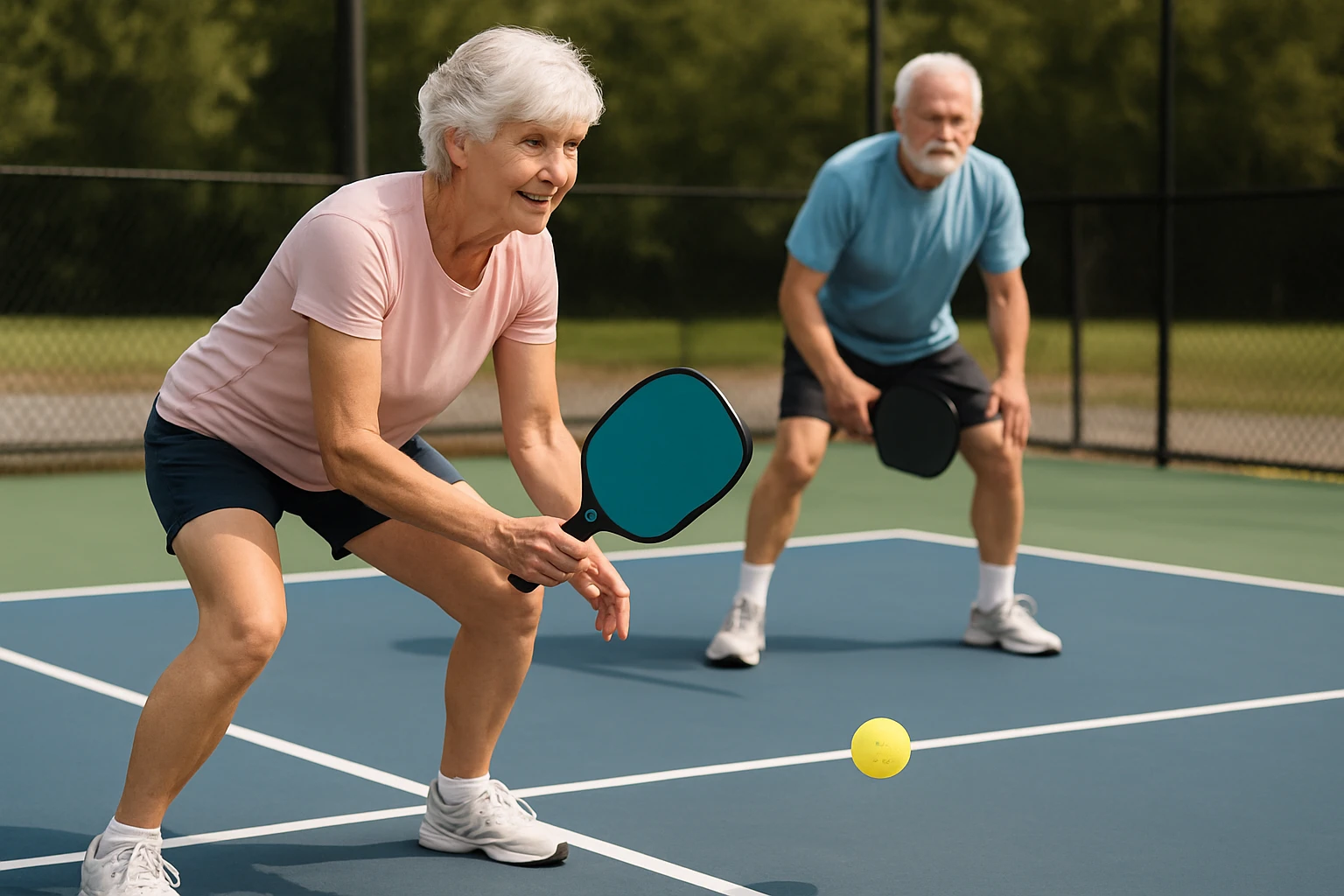
Pickleball has become a popular sport among older adults because it combines social interaction with moderate physical activity. This guide explains how seniors can improve balance, prevent falls, and stay active on the court. Readers will learn foundational concepts, practical drills, and product recommendations that support safe play. The information presented is based on current research and expert experience.
Background and Context
Falls are a leading cause of injury among adults over the age of sixty-five, and the risk increases during dynamic activities such as pickleball. Muscle weakness, reduced proprioception, and limited core stability are common contributors. Strength training and balance exercises have been shown to reduce fall incidence by up to thirty percent when performed consistently. Understanding the physiological basis of these improvements allows seniors to select appropriate drills and equipment.
Strength Training for Pickleball Performance
Developing muscular strength enhances a player’s ability to generate powerful strokes and maintain stable footwork. The program 10-Minute Strength Training for Seniors offers concise routines that target the major muscle groups used in pickleball. Each exercise requires minimal equipment, making it suitable for home or community center settings. The book includes illustrated steps, a rating of 4.6 out of 5 stars from 658 reviewers, and a price of $11.93.
- Focuses on lower‑body strength, which supports quick lateral movements.
- Incorporates upper‑body exercises that improve paddle control.
- Provides a clear progression from beginner to intermediate levels.
By dedicating ten minutes each day, seniors can build muscle endurance without excessive fatigue. Consistency is essential; a schedule of three sessions per week aligns with recommendations from geriatric exercise specialists.
Balance Drills Specific to Pickleball
Balance is the cornerstone of fall prevention on the court. The guide 28-Day Balance Exercises for Seniors presents a structured plan that integrates more than one hundred illustrations. At a price of $14.99 and a rating of 4.7 out of 5 stars from 573 reviews, the book emphasizes core stability, ankle proprioception, and visual‑vestibular coordination. Its large‑print format ensures readability for older adults.
- Daily 15‑minute sessions that fit within a typical pickleball warm‑up.
- Progressive difficulty levels that match increasing skill on the court.
- Exercises that can be performed on a non‑slippery surface without additional equipment.
Key drills include single‑leg stands while holding a paddle, side‑to‑side step‑overs, and controlled lunges that simulate reaching for a shot. Incorporating these movements before each match improves neuromuscular response and reduces the likelihood of missteps.
Core Stability and Stamina Development
A strong core stabilizes the spine and pelvis, allowing smoother weight transfer during strokes. While the two featured books address core work, seniors may benefit from additional targeted routines. Examples include seated trunk rotations, plank variations performed on a sturdy bench, and diaphragmatic breathing exercises that enhance endurance. Performing core drills three times per week complements the strength and balance programs.
Stamina is essential for maintaining concentration throughout a match. Interval training—alternating 30 seconds of brisk walking with 30 seconds of gentle jogging—can be adapted to a pickleball court’s dimensions. Over time, this approach improves cardiovascular health without placing undue stress on joints.
Comparison and Selection Guide
| Feature | 10-Minute Strength Training for Seniors | 28-Day Balance Exercises for Seniors |
|---|---|---|
| Primary Focus | Muscular strength and endurance | Balance, proprioception, and core stability |
| Session Length | 10 minutes per day | 15 minutes per day |
| Illustrations | Includes photographs and diagrams by Drew Bardana | Over 100 illustrations in large print |
| Price | $11.93 | $14.99 |
| Average Rating | 4.6/5 (658 reviews) | 4.7/5 (573 reviews) |
| Best For | Seniors seeking quick strength gains | Seniors focused on fall‑prevention and balance |
When selecting a product, readers should consider their current fitness level, time availability, and specific goals on the pickleball court. Those who already possess basic balance may prioritize the strength‑training guide, whereas beginners should begin with the balance‑exercise program.
Best Practices & Tips for Safe Play
- Warm up with dynamic stretches that target the hips, shoulders, and calves for at least five minutes before each session.
- Maintain proper footwear that provides ankle support and a non‑slipping sole.
- Hydrate regularly, as dehydration can impair proprioception and reaction time.
- Incorporate a cool‑down routine that includes gentle static stretches to preserve flexibility.
- Schedule regular assessments with a physical therapist to monitor progress and adjust exercise intensity.
Adhering to these guidelines maximizes the benefits of the recommended drills while minimizing injury risk. Consistency, proper technique, and environmental awareness are the three pillars of safe pickleball participation for seniors.
Frequently Asked Questions
1. How often should I perform the strength and balance drills?
It is advisable to alternate strength and balance sessions on separate days, resulting in three to four workouts per week. This schedule allows muscle recovery while maintaining neuromuscular adaptations.
2. Do I need any special equipment?
Both books emphasize minimal equipment. A sturdy chair, resistance band, and a pickleball paddle are sufficient for the majority of exercises.
3. Can I combine these drills with other forms of exercise?
Yes, the routines are designed to complement aerobic activities such as walking, swimming, or low‑impact cycling. Combining modalities enhances overall fitness and reduces monotony.
4. What signs indicate that I should stop a drill?
Experiencing sharp pain, dizziness, or excessive shortness of breath are indicators to pause the activity and consult a healthcare professional.
5. How long will it take to notice improvements in balance?
Most seniors report measurable progress within four to six weeks of consistent practice, provided they adhere to the recommended frequency and intensity.
6. Is it safe to practice on an outdoor court?
Outdoor surfaces can be uneven or slippery when wet. Ensure the playing area is clean, dry, and free of debris before beginning any drills.
7. Should I seek professional instruction?
While the guides are comprehensive, a qualified instructor can offer personalized feedback, especially for individuals with pre‑existing medical conditions.
Conclusion
Pickleball offers seniors a vibrant avenue for social engagement and physical activity, yet fall risk must be addressed proactively. By integrating the strength routines from 10-Minute Strength Training for Seniors and the balance plan from 28-Day Balance Exercises for Seniors, older adults can enhance muscle power, proprioception, and core stability. Consistent practice, appropriate footwear, and adherence to best‑practice guidelines will further reduce fall incidence and promote confidence on the court. The result is a safer, more enjoyable pickleball experience that supports lifelong health.
Products Featured in This Guide
10-Minute Strength Training for Seniors
Price: $11.93
Rating: 4.6/5 (658 reviews)
Featured because it provides concise, equipment‑light strength routines that directly support the muscular demands of pickleball strokes and footwork.
28-Day Balance Exercises for Seniors
Price: $14.99
Rating: 4.7/5 (573 reviews)
Featured because it delivers a structured, illustration‑rich program that enhances proprioception and core stability, essential for fall prevention during rapid pickleball movements.
Frequently Asked Questions
What are the most effective pickleball drills for seniors to improve balance?
Dynamic step‑and‑reach, single‑leg shuffles, and controlled lunges mimic court movements and enhance proprioception in just 10‑15 minutes a day.
How often should seniors do strength training to reduce fall risk on the court?
Aim for two to three sessions per week, focusing on lower‑body and core exercises, with at least 48 hours of recovery between workouts.
Which equipment helps seniors play pickleball safely?
Lightweight paddles with a larger sweet spot, non‑slip court shoes, and ankle‑support braces provide stability without limiting mobility.
Can regular balance exercises lower the incidence of pickleball‑related injuries?
Yes, consistent balance work can cut fall‑related injuries by up to 30% by strengthening stabilizer muscles and improving reaction time.
What warm‑up routine is recommended before a senior pickleball session?
Start with 5 minutes of brisk walking, followed by arm circles, hip rotations, and gentle ankle rolls to prepare joints and reduce strain.